Resistance Training: Building Strength, Preserving Muscle, and Supporting Healthy Aging
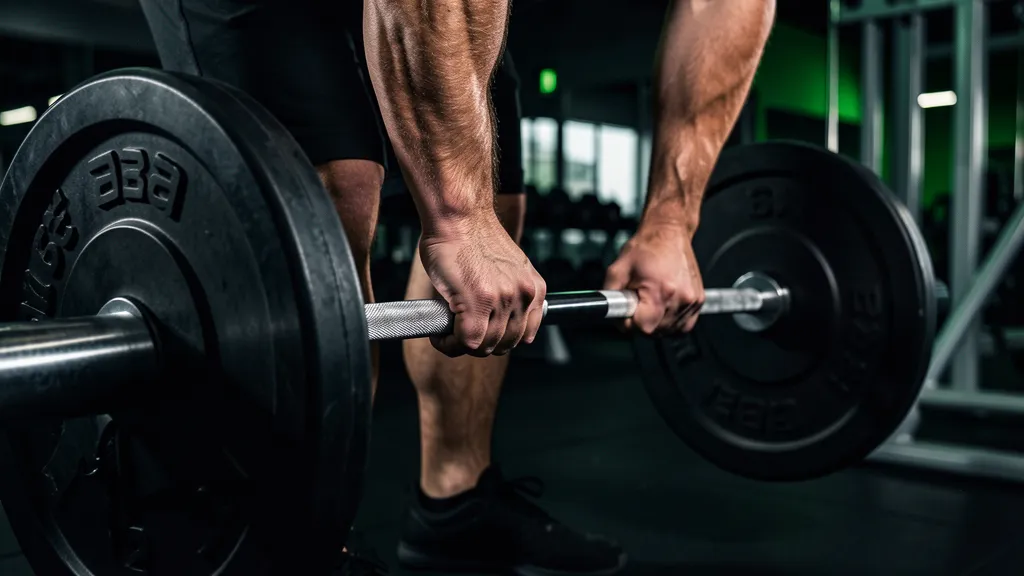
- Resistance training means working your muscles against an external load , bodyweight, dumbbells, bands, or machines , to build strength, endurance, and size.
- Muscle mass declines roughly 3-8% per decade after age 30. Training two to three days per week preserves what you have and can rebuild what you’ve lost.
- Two full-body sessions per week, hitting all major muscle groups, is the minimum effective dose for general health.
- You don’t need a gym. Bodyweight exercises, resistance bands, and a pair of dumbbells are enough to train your whole body.
Understanding Resistance Training
When you lift, push, or pull against a load, your muscles contract against resistance. That resistance can come from a barbell, a band, your own bodyweight, or a cable machine. The load doesn’t care what form it takes , your muscles respond the same way: they adapt.
The mechanism that drives adaptation is progressive overload. You add a little more weight, do an extra rep, or shorten your rest between sets. The muscles get a signal they haven’t seen before, and they respond by getting stronger. Keep the stimulus the same, and you stay the same. Push it forward, and you grow.
The Science of Muscle Adaptation
Heavy training creates microtears in muscle fibers. This isn’t damage to avoid , it’s the trigger for growth. After a session, muscle protein synthesis rates rise sharply and stay elevated for roughly 24-48 hours. Your body patches the tears, adds more contractile protein, and the muscle comes back thicker and stronger.
Hormones shift too. Resistance work spikes growth hormone and testosterone transiently. In younger lifters, the post-exercise hormone surge supports the repair process. In older adults, the same training stimulus helps offset the hormonal decline that comes with age. The effect is real: train consistently, and you hold onto muscle that would otherwise disappear.
Muscle Preservation and Aging
Sarcopenia , age-driven muscle loss , begins in your third decade. By the time most people notice, they’ve already lost meaningful strength. Muscle mass drops 3-8% per decade after 30, and the rate accelerates after 60. Less muscle means weaker bones, slower metabolism, worse balance, and a higher risk of falling.
But sarcopenia isn’t inevitable. Older adults who lift weights consistently maintain muscle mass and functional strength well into their seventies and eighties. The muscle fibers of a 70-year-old lifter look more like those of a 40-year-old sedentary adult than those of an untrained 70-year-old. Training works at any age.
Muscle is also metabolically expensive tissue. It burns calories at rest, pulls glucose out of your bloodstream, and keeps your metabolism running hot. Holding onto it as you age isn’t about looking good , it’s about staying independent, keeping your bones strong, and avoiding the metabolic slide that sedentary aging brings.
Metabolic Benefits
Muscle tissue burns calories even at rest. Preserving muscle mass through resistance training improves insulin sensitivity, helps regulate body composition, and keeps your metabolic engine running as you age.
Bone Health and Resistance Training
Bones adapt to load the same way muscles do. When you squat, deadlift, or press overhead, the mechanical stress travels through your skeleton. Osteoblasts , the cells that build bone , respond to that stress by laying down more mineral matrix. The result: denser, stronger bones.
Bone density peaks around age 30 and declines from there. For postmenopausal women, the drop accelerates sharply as estrogen falls. Resistance training pushes back. Weight-bearing compound lifts , squats, deadlifts, overhead presses , produce the largest osteogenic stimulus. Studies in postmenopausal women show that consistent resistance training slows bone loss and, in some cases, increases bone mineral density at the spine and hip.
The practical takeaway: if you want strong bones at 60, 70, and beyond, start loading them now. The skeleton responds to force, and compound lifts deliver more force than any other exercise modality.
Resistance Training Protocols
Different goals call for different loading schemes. Here’s what the numbers say:
Strength (getting stronger). Work in the 1-6 rep range with heavy loads, resting 3-5 minutes between sets. You’re training your nervous system to recruit more motor units and fire them faster. Compound lifts , squat, deadlift, bench, overhead press, row , should form the core of your program. Train each lift 2-3 times per week.
Hypertrophy (building muscle). The 6-12 rep range, taken close to failure, with 60-90 seconds rest between sets. Volume matters: 10-20 working sets per muscle group per week, spread across 2-3 sessions. Train each muscle group twice weekly for the fastest gains.
General health and longevity. Two to three full-body sessions per week, 1-3 sets of 8-12 reps per exercise. Hit all major movement patterns: a squat, a hinge, a horizontal push and pull, a vertical push and pull. This protocol takes 45-60 minutes per session and covers everything you need.
The rep ranges aren’t walls , they’re zones. A set of 5 builds more strength than a set of 10. A set of 10 builds more muscle than a set of 5. But both build both. The best program is the one you’ll do consistently.
Bodyweight Training
You don’t need a rack or a barbell to get stronger. Push-ups, inverted rows, split squats, lunges, planks, and pull-ups train the same movement patterns as their loaded counterparts. The load is your bodyweight, and you progress by manipulating leverage: elevate your feet on a push-up, move to single-leg squats, slow down the tempo.
Bodyweight work is ideal when you’re traveling, short on time, or just starting out. It’s also genuinely hard when you progress to advanced variations. A pistol squat demands more strength and control than a barbell squat with light plates. A full-range handstand push-up is rare even among strong lifters.
Safety Warning
Resistance training stresses your joints, connective tissue, and cardiovascular system. If you have a pre-existing joint condition, heart issue, or haven’t exercised in a while, start light. Bodyweight or bands first, then add load gradually. Talk to a doctor if you’re unsure where to start.
Recovery and Progression
Muscles don’t grow during training , they grow during recovery. After a hard session, the trained muscle group needs 48-72 hours before it’s ready for another hard session. Train sooner and you’re breaking down tissue that hasn’t finished rebuilding. Train later and you’re leaving gains on the table.
Sleep is where most of the repair happens. Growth hormone pulses during deep sleep, and protein synthesis stays elevated through the night. If you’re sleeping 5 hours a night, you’re shortchanging every session you do.
Progressive overload isn’t complicated. Track what you lift. Next week, do a little more: add 2.5-5 lbs to the bar, add a rep, add a set, or shorten your rest. Small increments compound. A 5-pound increase every week adds up to 260 pounds on the bar in a year. Most people never get there because they don’t track and don’t push.
Conclusion
Resistance training works. Not because it’s trendy or because influencers say so , because mechanical tension triggers adaptations that keep your muscles, bones, and metabolism functioning. Train two to three times a week. Lift heavy enough that the last few reps are hard. Eat enough protein. Sleep. Track your numbers. Add weight when you can.
The rest is noise. Show up, put in the work, and your body will adapt. It has no choice.