Stretching and Flexibility: Maintaining Mobility, Preventing Injury, and Supporting Healthy Movement
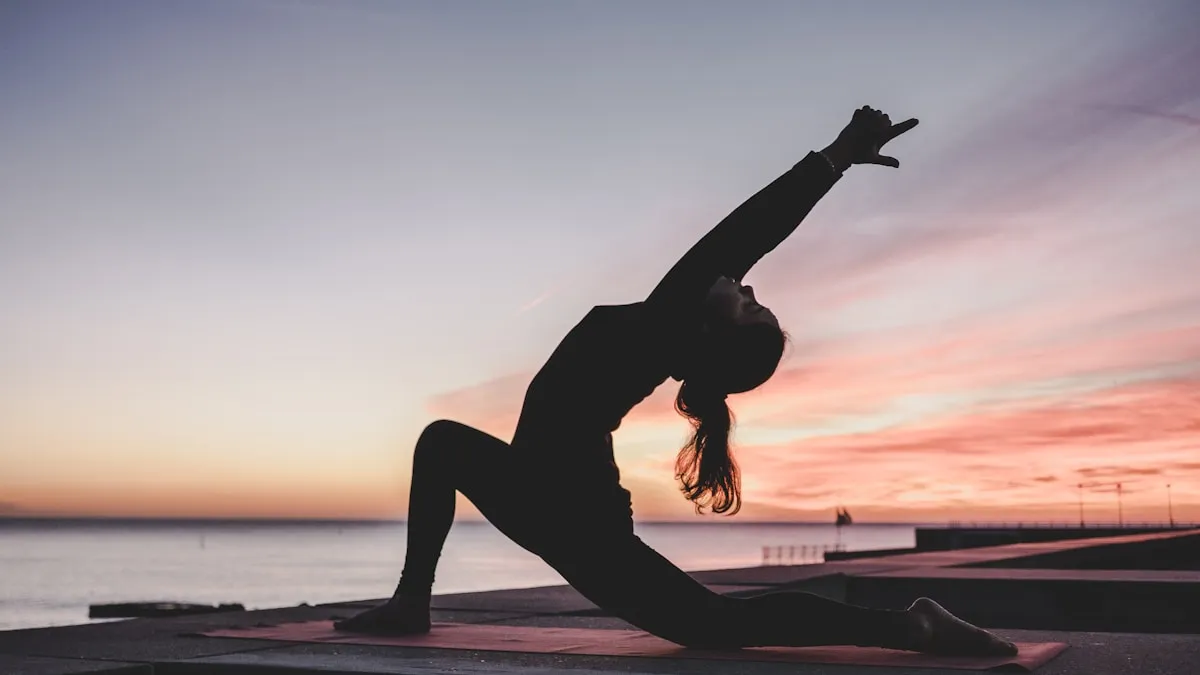
- Stretching improves the range of motion around your joints and keeps muscles long and pliable. You need it to move well, especially as you get older.
- There are three main types: static stretching (holding a position), dynamic stretching (moving through range), and PNF (contract-relax techniques).
- Consistency drives results. Stretch at least 2-3 times per week. Daily stretching produces faster gains in flexibility.
- Stretching supports movement quality, helps release muscle tension, and can improve posture over time.
Why Stretching Matters
Flexibility isn’t a party trick. It’s the difference between bending down to pick something up and hurting your back. Between reaching overhead without shoulder pain and needing help to get something off a shelf. It declines with age unless you work at it.
Connective tissue stiffens over time. Collagen cross-links multiply, elastin degrades, and muscles spend more hours in shortened positions , sitting at a desk, driving, looking down at a phone. Stretching pushes back against all of that. Not by “lengthening” muscles permanently , muscle length is largely set by your skeletal structure , but by improving your nervous system’s tolerance for stretch, reducing passive tension, and keeping joints moving through their full range.
Types of Stretching
Static stretching. Hold a position at the edge of your range for 15-30 seconds. Do 2-4 rounds per muscle group. Static stretching is best done after exercise, when muscles are warm and pliable. It improves flexibility over time and reduces passive muscle tension. It’s not ideal before strength or power work , holding a static stretch before lifting can temporarily reduce force output.
Dynamic stretching. Move your joints through their full range with control , leg swings, arm circles, torso twists. These are the right choice before a workout. They raise tissue temperature, activate the nervous system, and prepare your body for the movements you’re about to do. Eight to 12 controlled reps per movement is a good starting point.
PNF (Proprioceptive Neuromuscular Facilitation). The most effective method for gaining range quickly. Contract the target muscle against resistance for 5-10 seconds, then relax and move deeper into the stretch. The contraction temporarily inhibits the muscle’s stretch reflex, letting you access more range. Physical therapists and athletes use PNF because it works fast. It’s also more demanding , you’ll need a partner or a band to provide resistance.
Stretching Tip
Use dynamic stretching to warm up before exercise and static stretching to cool down afterward. For dedicated flexibility work, PNF techniques produce the fastest gains in range of motion.
What Regular Stretching Actually Does
Improved flexibility is the obvious benefit. With consistent practice, your passive and active range of motion increases. Daily activities , bending, reaching, twisting , become easier. Joints feel looser, movement feels smoother.
Injury prevention is more nuanced. Stretching before exercise doesn’t reliably reduce injury risk , the evidence on that is mixed and mostly negative. But maintaining good flexibility across your joints likely reduces strain during unexpected movements. A stiff hamstring is more likely to tear when you slip on ice than a trained, pliable one.
Posture improves when you address the tight muscles pulling you out of alignment. Tight hip flexors tilt the pelvis forward. Tight pecs round the shoulders. Tight hamstrings flatten the lower back. Stretch what’s tight, strengthen what’s weak, and your posture shifts.
Muscle tension relief is real and immediate. After a long day at a desk, 10 minutes of stretching feels good because it interrupts the sustained contraction patterns your muscles have been locked into. Blood flow increases, tension releases, and your nervous system gets a signal to down-regulate.
Stretching Protocols
For flexibility gains, stretch each muscle group 2-3 times per week at minimum. Daily stretching produces faster results. Hold static stretches for 15-30 seconds, 2-4 repetitions each. For dynamic stretches, 8-12 controlled reps per movement.
Always warm up first. Cold muscles resist stretch and are more vulnerable to strain. Five minutes of light movement , walking, cycling, arm swings , is enough. Or stretch after your workout when your muscles are already warm.
Stretching and Joint Health
Joints need movement to stay healthy. Synovial fluid, which lubricates joint surfaces, circulates when the joint moves through its range. If you stop moving a joint through its full range, the capsule tightens, the surrounding muscles shorten, and the joint’s functional range shrinks. Stretching maintains that range.
This becomes more important with age. Cartilage thins, joint capsules stiffen, and the margin between “normal range” and “impingement” narrows. Stretching the muscles around the hips, shoulders, and spine , the joints most affected by sitting , helps preserve mobility and comfort. A few minutes of targeted stretching in the morning pays off all day.
Safety Consideration
Stretch gently and breathe. Bouncing into a stretch activates the stretch reflex, which contracts the muscle you’re trying to lengthen and can cause strains. Go to the point of mild tension, never pain. If a stretch hurts, back off.
Stretching and Recovery
Stretching after a workout feels good, but its effect on muscle soreness is modest. The research on stretching and DOMS (delayed onset muscle soreness) shows a small reduction at best , a few percentage points on pain scales , and many studies show no effect. If you enjoy post-workout stretching, do it. The relaxation and blood flow are worth something. Just don’t expect it to erase the soreness from a heavy leg day.
On rest days, light stretching helps maintain mobility and keeps you moving without imposing training stress. Ten to fifteen minutes of gentle stretching in the evening can also help you wind down before bed.
Common Stretching Mistakes
Don’t bounce. Ballistic stretching , pulsing at the end of your range , triggers the stretch reflex and can tear muscle fibers. Hold stretches still or move through them with control.
Don’t stretch only the tight areas and ignore everything else. If your hamstrings are tight but your hip flexors and quads are also tight, stretching only your hamstrings won’t fix your movement patterns. Work the whole chain.
Breathe. Holding your breath during a stretch increases sympathetic nervous system activity and muscle tension. Exhale as you move deeper into the stretch. The breath signals your nervous system to relax.
Stretch to tension, not pain. Pain means you’ve gone too far and your body is protecting itself by contracting. The line between effective stretch and counterproductive stretch is the difference between mild tension and sharp sensation.
Conclusion
Stretching is simple, takes little time, and the benefits stack up over months and years. Your joints stay mobile, your muscles stay pliable, and your body moves the way it’s supposed to. You don’t need a program or an app. Pick a few stretches for the areas that feel tight, hold them for 15-30 seconds, breathe, and do it 3-5 times a week. That’s the whole thing.
The evidence for stretching isn’t as dramatic as some flexibility gurus claim , it won’t prevent every injury or cure every ache , but the practical case is strong. People who stretch move better, hurt less, and stay active longer. Those are the outcomes that matter.